Listener's CanJam London 2026 Impressions
Join listener as they explore the highlights from CanJam London 2026, from the game-changing Flowztone F-R1 ribbon headphone to Hongshu's affordable entry into the electrostatic headphone market.


The best part of any CanJam is always catching up with friends, but if you're reading this, you're here for the gear. Thankfully this time there were a few decently good surprises that I'm excited to talk about.
As always, show floor impressions should be taken with a healthy grain of salt given the noisy, uncontrolled environment, but here is my rundown of what stood out at CanJam London 2026—for better or for worse.
Let's dive in.
The Highlights
Flowztone F-R1
The Flowztone F-R1 ribbon headphone was easily the best headphone at the show, and the first truly excellent ribbon implementation I’ve ever heard. It might even be the best headphone I've ever heard on a CanJam show floor. It brings one of the most sensible combinations of tuning prowess, engineering consideration, and ergonomic comfort I’ve experienced in headphones period, and while yes, being priced at ~$3,700 USD means I'll never be able to afford it, I can't remember the last time I was so bummed I couldn't afford a headphone.
First in terms of comfort, it's a rather lightweight headphone with large, ear-shaped cups that sported soft fabric-wrapped padding that was deep enough for my ears not to be touching anything in the front volume, and it has a suspension strap with a leatherette covering that meant the product was impressive even before I played any music with it. Comfort is crucial for me, and Flowztone nailed it with this one.

Sonically, it delivers a slightly enhanced approach to neutral with a moderate warm tilt from bass to midrange with a slight low-treble/upper-treble push, similar to the Sennheiser HD 6 series or HEDDphone D1 up top, with an extension and gumption reminiscent of Sony's MDR-MV1 down low... but with a level of top-to-bottom refinement that trounces them all.
First, the downsides: it's not perfect in the treble. As a notably treble-sensitive voice in the space, I must say I did notice a little extra around 5.5 kHz and 10.5 kHz on F-R1, though this is an extremely common feature for most headphones on my head, and these peaks aren't any more noticeable than they are on the HD 650.
In fact, it's less prominent than on most other headphones with these features (usually present in open back dynamic driver headphones) because F-R1 balances the slight spritziness in the treble with extremely solid bass extension and elevation; the bass is prominent, while never veering anywhere near basshead territory.
I think for many people this bass presentation alone would be enough to justify adding the headphone to their collection—I actually can't think of a headphone with this sort of bass tuning or subjective performance, it really is wholly unique. It extends as much as any headphone out there but gets the level and the shaping basically perfect for my preferences.
Crucially, F-R1 utilizes a gentle glide from the bass into the midrange instead of a distinct shelf, and its all the better for it: this thing hits hard and does so without sacrificing a lick of midrange accuracy or timbral realism.
Speaking of, the midrange may lean slightly warm, but the warmth is also balanced by a subtle textural push around 1 kHz that adds just enough crack to transient elements like drums and hard-struck string instruments to make the bass elevation feel both well-balanced with the midrange, and form an effortlessly cohesive and structured presentation for the most critical band of the music. The midrange is somewhere between HD 600 and 650—less upper midrange than 600, less lower midrange than 650—which is to say... it's among the most well-tuned midranges on the planet.
All of this comes together & adds up to a truly remarkably balanced, well-extended headphone that may just be one of the best overall headphones I've ever heard. While this doesn't mean it isn't without flaws or things to nitpick, I am really struggling to think of a headphone that sounds better right out of the box.
This isn't even getting into all of the customization features (comes with physical damping screens for reducing bass, as well as little electrical modules for boosting or cutting treble around 10 kHz), or the fact that the headphone took years to engineer from the ground up and it shows in the internal construction and non-linear performance.
This is a small company out of Hong Kong and this headphone isn't even released, but this is the first time I've left the show floor of a CanJam thinking wistfully about a headphone for days after my first listen. It's truly an incredible achievement, and I didn't encounter a single person who heard it that didn't have positive things to say, which in the current paradigm where we know that no two people are receiving the same response at their eardrum, is an incredibly impressive feat.
If anyone wants more information about this headphone, or Flowztone, you can check out their website here. We're hoping to have a review from Cameron on the YouTube channel soon as well, so stay tuned for that.
Hongshu Audio EH-1 & EHA-1
 The Hongshu Audio EH-1 & EHA-1 package stood out as what might be the best new entry point for anyone looking to jump into electrostatic headphones—which includes me.
Pairing a nicely lightweight & ergonomic chassis with an included desktop energizer (featuring a bass boost switch and a channel balance knob on the back of the EHA-1), it lowers the barrier of entry to the ethereal, limitlessly-open electrostatic experience significantly, and I think this alone merits highlighting it as one of the most exciting offerings at the show.
In terms of sound quality, it doesn't offer anything all that novel in the world of estats—it's lean overall throughout the bass and midrange, and a little wonky in the treble—but even so the addicting openness it provides is enough to make me seriously interested in evaluating it at home, and even more importantly: I think due to its openness, positional consistency, and leak tolerance, it may just be the best headphone for EQ under $1000.
While there are a few asterisks—I'm not 100% confident in the build longevity, as it did feel a little bit chintzy, EH-1 still stood out as one of the most practical milestone releases on the show floor this year, so I'm excited to eventually get this one in to review it.
Dita Ventura
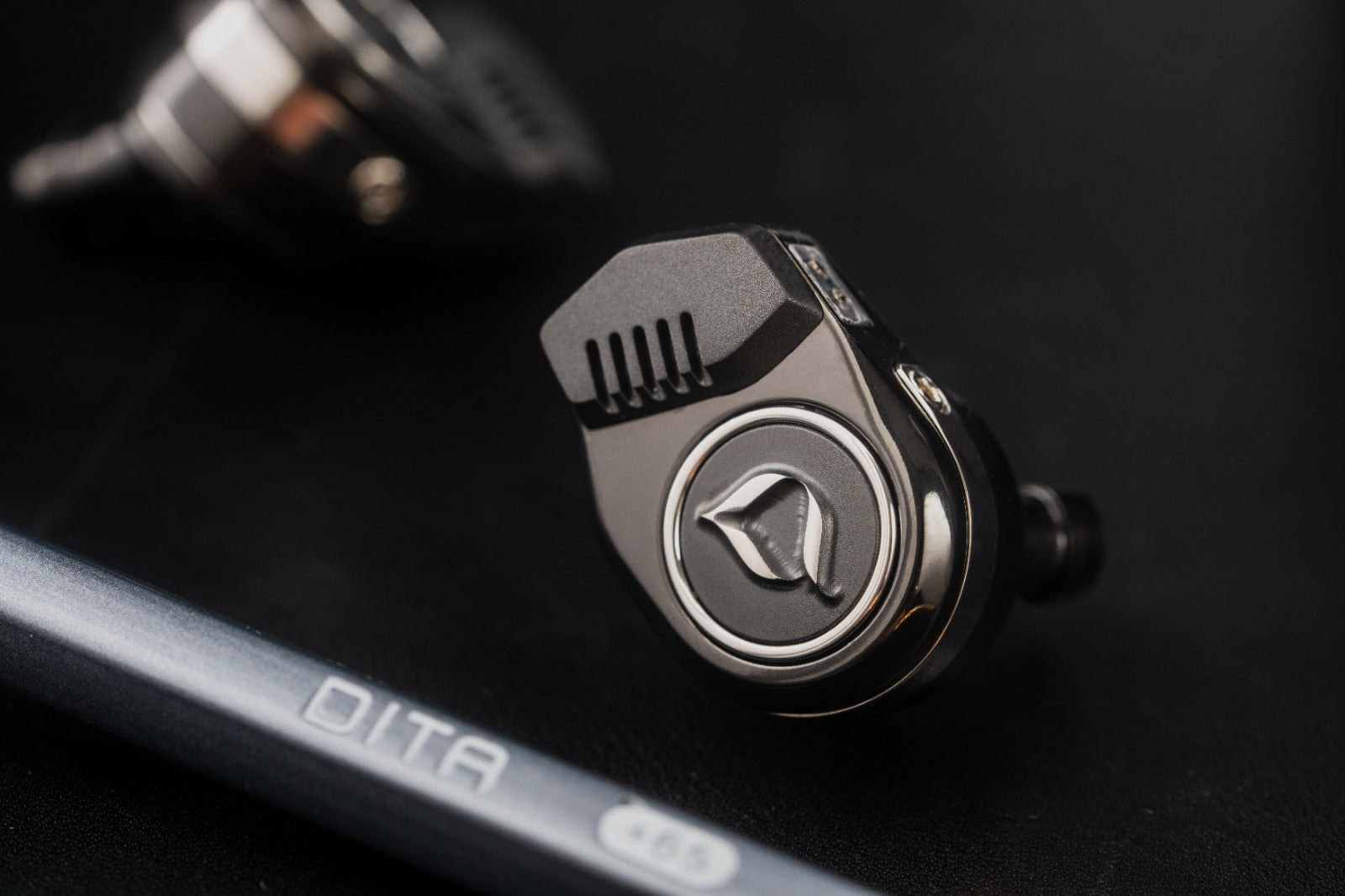
Dita’s known for their single dynamic driver IEMs, and as someone who's never heard their IEMs prior, this one was a real surprise to introduce myself to the brand. Ventura is their latest flagship IEM, sporting a ~$4,800 USD asking price—which is usually the first sign that I should be worried, since the high-end IEM space is nearly defined by esoteric coloration trumping sensible balance.
However, sonically Ventura delivers a quality of balance I didn't expect, but was happy to be surprised by. The bass hits hard with notable physicality and leaves a good impression of size, while managing to stay controlled without ever feeling bloaty or slow. It features the 1-2 kHz emphasis typical of most IEMs, creating a spotlighting effect on bass overtones and vocals, pulling the latter into focus and giving them a centered, if slightly over-emphasized presentation. This all pairs with a treble execution that simply sounded pretty darn balanced to me, if still a little brighter than my preference, without any noticeable peakiness.
Despite this being a tuning I never would've thought I'd like, Ventura stood out as as a well-balanced offering at what is admittedly a hefty asking price. I wouldn't say its worth the money, since that's a helluva lot, but I did really enjoy how its colorations worked together. It's not neutral, but it was a lot of fun and I enjoyed how vividly it presented my music.
Headphones
Hifiman HE6 Remastered

Hifiman’s attempt at revisiting their iconic planar flagship is, for the most part, actually a lot closer than the earlier attempts to my ear. HE6 Remastered takes a swing at a presentation that is considerably more low-treble focused, like the original HE6, than upper-treble focused like their modern designs, and does so in a much more comfortable chassis than the original.
The potential upside for this headphone is that initial crack of kick and snare drums are super emphasized and fiery. That said, for me snares in particular ended up coming across way too papery, and vocals felt really etched or grainy. The headphone also seemed to suffer from a mid-treble resonance around 7–8 kHz on my head, which is unusual (most headphones dip here pretty strongly on my head).
Now, to be clear, these are the exact same issues I had with the original HE6, in that the treble presentation is almost comically rough and scratchy. It abandons the "shimmery" take on Hifiman's house sound and recaptures more of the "smack" that the original HE6 had... but this is, I think, what certain people actually liked about the original HE6, so for those people, maybe this is a benefit.
However, I think this is one instance where the audiophile community may have a bit of a case of rose-colored glasses. HE6 was very unique in just how aggressive it was, but ultimately, this headphone is for a very specific type of listener: unless you specifically want the low treble of drum hits to punch a hole in your head, I'd say there are much better headphones out there that provide more versatility and value. Though I am still interested to see how it performs with original velour earpads—which the Remastered doesn't use.
Meze Arta

Meze’s latest $6,000 flagship planar ARTA comes across as overwarmed and soupy as hell until you reach > 10 kHz... which is their house sound, I guess. So if you like their other headphones, you'll probably like this one. I don't.
The low-end warmth seems to peak awkwardly around 300–500 Hz rather than in the typical 100–200 Hz region, resulting in a boxy, tubby, or nasal presentation that felt more "veiled" than any other headphone I heard at the show.
Typical of Meze's house sound, Arta is punctuated by excess upper treble that isn't particularly pleasing to listen to... though without that air, the headphone would probably sound like pure mud, so I guess it made sense to leave in.
Between the awkward low-mid swell and overall lack of balance, it sounds both muffled and strangely chirpy/sizzly, and for this price I think its fair to expect more than the all-too-typical "yeah the tuning is weird, but its super comfortable" schtick.
I want a comfortable headphone that also sounds good, but because this absolutely fails at delivering the latter, this one is yet again a total miss for me
MIRPH Designs Vitrum
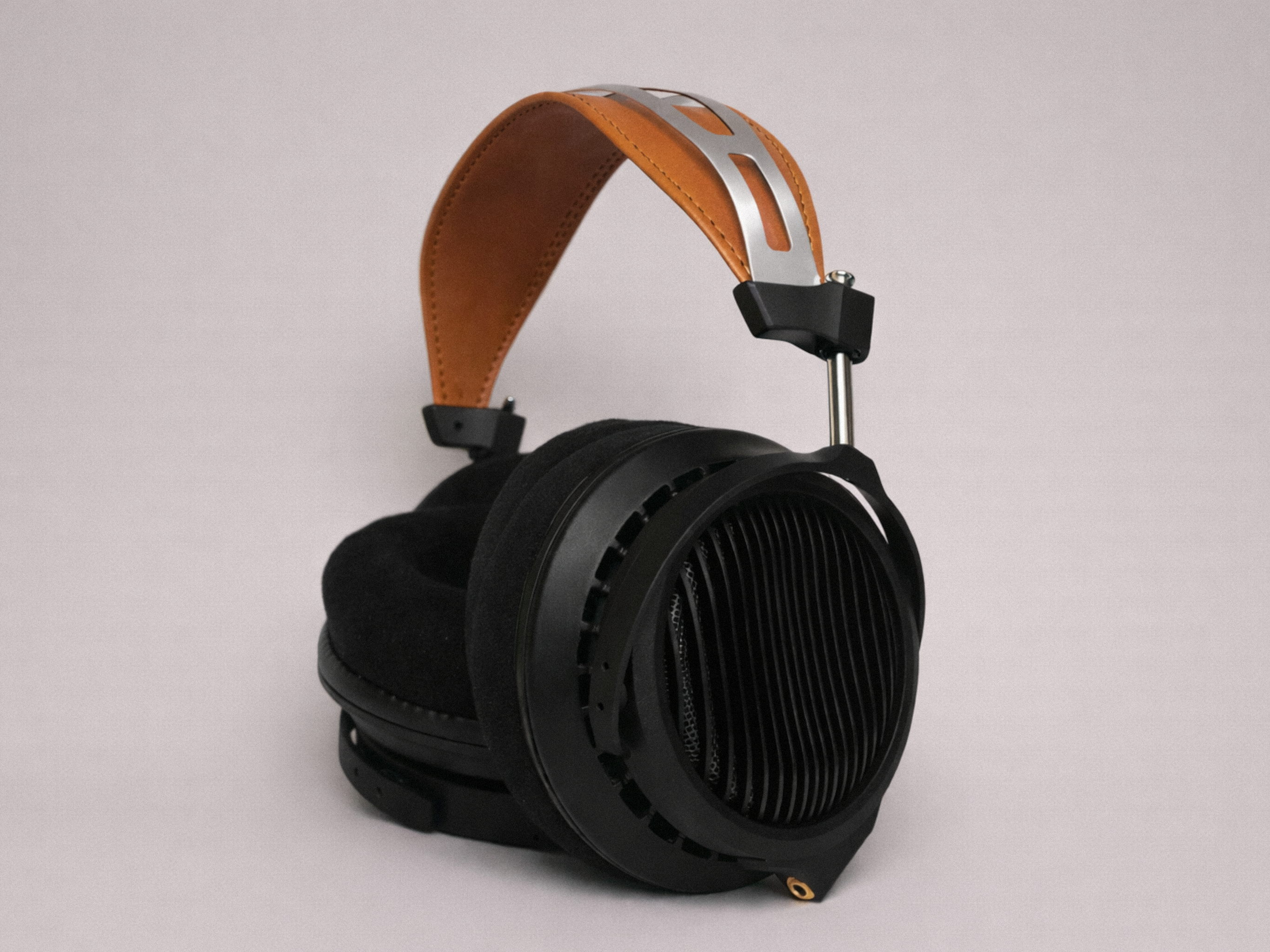
Mirph's newest Vitrum open-back dynamic driver headphone presents with solid bass extension, a (mostly) warm midrange, and a relaxed upper treble alongside a big mid-treble dip—though to be fair, that dip may be a product of my head rather than the headphone itself.
However, the primary issue with the balance here is that there's quite a bit extra in the 3–4 kHz region on my head. This emphasis creates a slightly harsh, clacky attack forwardness that disrupts what would otherwise be a comfortably warm and laid-back listening experience and makes it something a bit less forgiving and chill than I was hoping for.
This is my first experience with Mirph's headphones and I have to say, I was mildly disappointed, but my head does seem to produce a bit more in this region with headphones than average, so I wouldn't be surprised if other people enjoy it more than I do.
MIRPH-1
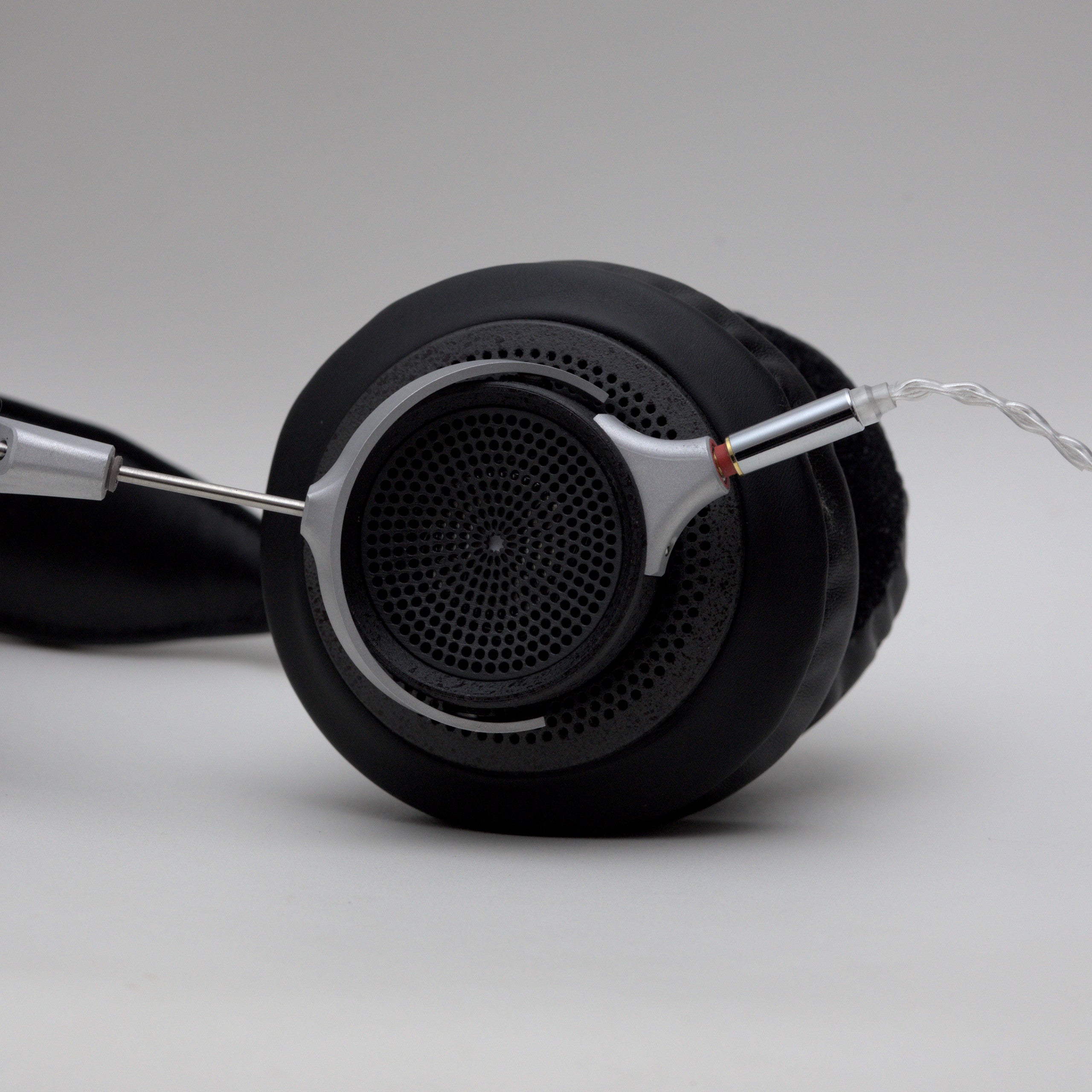
Taking a slightly different approach than its newer sibling, the MIRPH-1 feels a bit more my speed in that it's more mid-focused overall. It shares the same 3–4 kHz elevation on my head found on the Vitrum, but the peak feels noticeably less glaring here, possibly because of the different ear gain structure below it, and the treble above it.
This improved balance is accompanied by a similarly solid upper-treble performance that keeps the top end smooth and controlled, though I could see it being a bit dark for others for this reason.
Overall between the two MIRPH Designs headphones I prefer this one, so I hope with the next release we see an evolution of this sort of tuning, maybe with a bit more refinement through the ear gain-to-treble transition.
AUNE AR9000

AUNE's flagship open-back dynamic AR9000 delivers an extremely well-extended, palpably elevated bass response that manages to stay coherent without becoming overbearing or boomy. The low treble around 5 kHz was slightly hot for me, and the midrange is generally pleasant—if slightly erratic or "uppy downy" between 500–3 kHz, thankfully though it is neither muffled nor shouty due to the general shaping here being competent.
Unfortunately, the whole presentation is undermined by a rather large 10 kHz peak on my head that did distract me a bit too much from the excellent tuning in the rest of the headphone's response. That treble spike injected a sharp biting grit that detracted from the otherwise extremely capable presentation, but since this was a single elevation causing the issue, I'm willing to guess this won't be a problem at all for some people.
Even for those who end up hearing this treble spike as an issue, it should be very easy to triangulate the issue with EQ and remove it, leaving you with an excellent, warm leaning, nicely open & comfortable dynamic driver headphone. If anything this was my biggest disappointment from the show, not because it was actually bad—it's unquestionably a very good headphone—but just because I had really high hopes for my own personal enjoyment with it, and it really sucks when that gets undone by a single unfortunate treble peak.
DCA Aeon CORE

Dan Clark Audio's new AMTS-less closed back model Aeon CORE finally gets the bass quantity right where I like it, but the low end still feels incoherent in how it presents drums and vocals due to the steepness of the bass shelf and a lack of lower-midrange support. Bass and kick drum fundamentals get a noticeable push while snare drums and male vocals feel palpably thinned in their fundamental region, and this strikes me as something that Dan is yet to really address on any of his headphones. Low midrange is important and the systematic de-emphasis across all of DCA's headphones is basically the single thing that stops me from liking any of them much.
On the bright side, the ear-gain region is very nicely executed, probably DCA's best in that regard. However, it suffers from a 5 kHz resonance issue and an upper treble that remains a bit hot on my head, though not as bad as on the recent Noire X/Noire X Open.
Even with those flaws, Core still comes out ahead of most of Dan's previous offerings, so the fact that its actually less expensive than most of his recent headphones is a good thing and I think CORE is a decent recommendation.
I just wish DCA would like... try something else instead of doing six different versions of Harman-tuned headphones, all which have similar sonic downsides due to their bass and midrange tuning.
Audeze LCD-S20
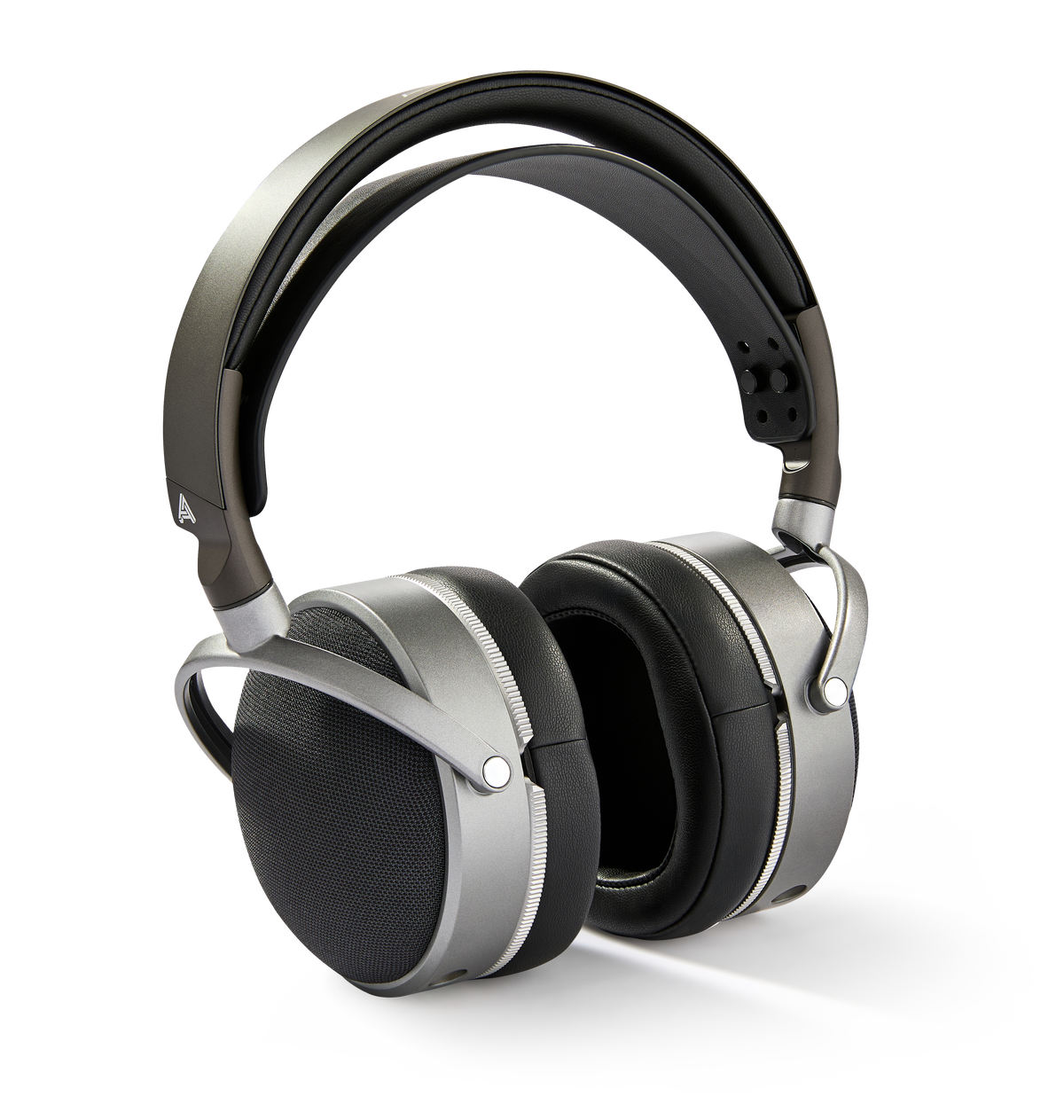
The LCD-S20 comes across as quite aggressive in the upper midrange, causing vocals to sound pinched and small in the mix. The treble presentation is otherwise solid, if slightly relaxed in the mid-treble.
The bass texturing is quite nice with the overall magnitude sitting right where I like it, and the upper midrange forwardness commits a nice overtone emphasis and intensity that highlights the throaty crackle of things like bass synths and distorted bass guitars. However, the overall presentation ends up too lean for timbre to sound correct, and too aggressive to feel comfortable listening to a good deal of my music at moderate volumes.
I wouldn't say I dislike this headphone outright, but I do kind of understand after listening to it why the audiophile market hasn't really spoken much about it. It's not very comfortable—headband strap is kind of stiff & uncomfortable, and it's heavy—and the sound, while fine, wasn't really versatile enough to consider owning.
Audeze LCD-3

I was really glad to see the LCD-3 at this show since I'd never gotten to hear it, and it actually presented with a slightly different take on what was ultimately the typical, "flat bass and mids with slightly relaxed 4 kHz" Audeze house sound. It did so alongside an interestingly colored, weirdly "juicy" midrange tuning that was a lot more vivid and dynamic than I expected.
Keeping in mind that my head and ears seem to produce a little bit more in the 3-4 kHz region than average (meaning the typical Audeze 4 kHz dip is rarely a big issue for me), this headphone felt, if anything, a bit mid-forward overall and slightly too focused around the center/upper midrange.
What that meant is the bass was a bit relaxed relative to the mids, accompanied by the typical excess upper treble from the Fazor-equipped Audezes, and a bit of extra low or mid-treble somewhere in the response too.
Overall, it stood out as a surprisingly textured and dynamic headphone in Audeze's lineup. It isn't particularly warm as a whole, aside from there still being a touch of muffliness in the upper mids, but honestly I liked this a lot more than I thought I would, and was left wondering why people don't really talk about it much.
Thieaudio Cypher
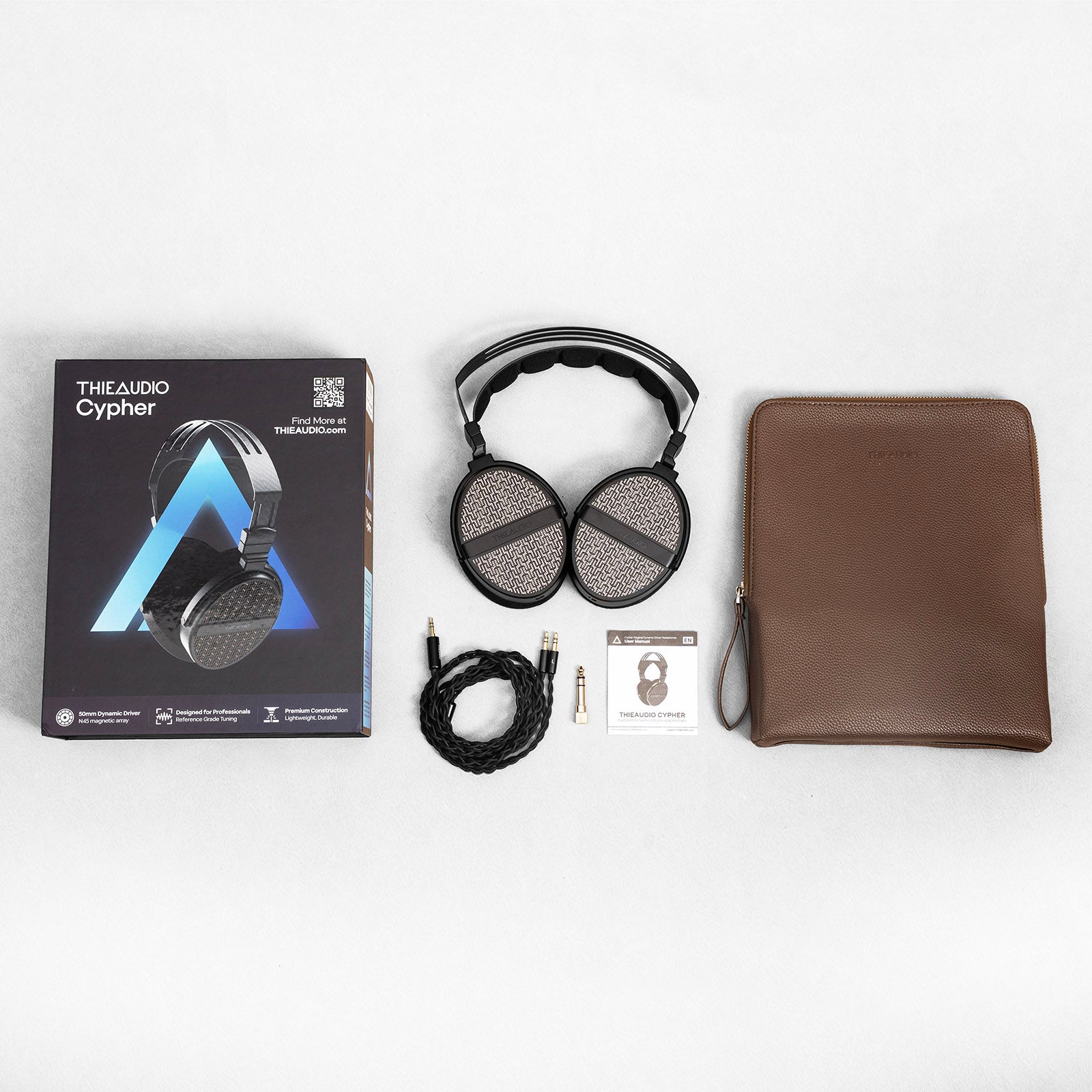
The Thieaudio Cypher comes across as very clacky in the low treble and a bit lean on bass, but it is otherwise quite smooth and relaxing to listen to, though I assume many people are going to find it too dark above 5-6 kHz.
Its overall character is somewhat reminiscent of the Koss A/550 I recently reviewed, provided you removed that headphone's slightly rocky mid-treble colorations and replaced it with darkness.
It makes for an easygoing, laid-back listen despite the slight low-treble bite, and the comfort is actually rather solid, I just don't really think this headphone is worth the price when things like the Hifiman Edition XV or Sennheiser HD 650 exist.
IEMs
Linsoul Avant (prototype)
Linsoul Avant—the first IEM I've ever seen simply under the Linsoul name—delivers prominent, rounded-feeling bass that seems to prioritize sub-bass rumble over mid-bass body. This is accompanied by slightly scooped low-center mids and a forward upper treble. Which is to say... it's an IEM in 2026. Not much different here, to my ear, from whatever else is available on the market (especially from other Linsoul brands).
Ergonomically, the shell feels a bit large and suffers from noticeable driver flex upon insertion. Ultimately, it feels like a very typical IEM that does little to make itself distinct in a crowded market, which is a bit of a shame considering I was expecting the first "Linsoul in name" product to offer a bit more universality and refinement than I felt it ultimately had.
Thieaudio V16 Divinity
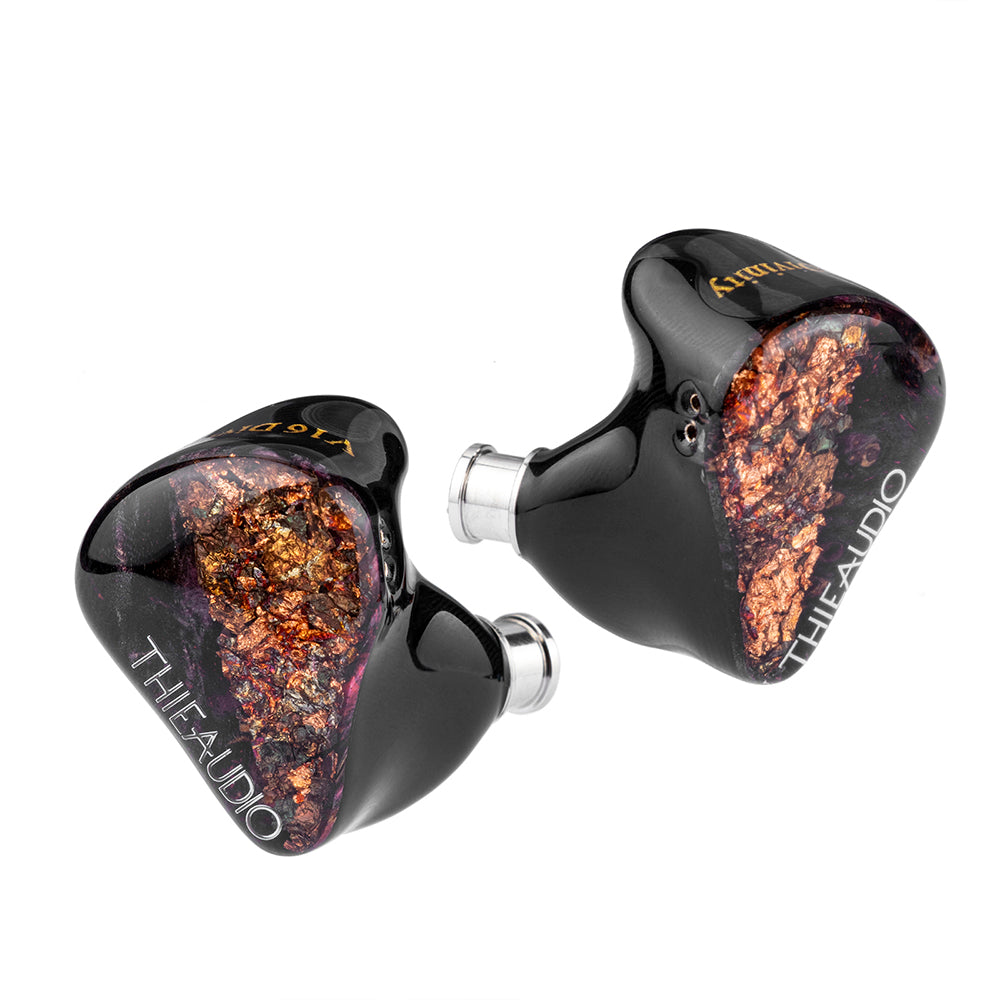
I've wanted to hear this one for a while due to certain people (James from Linsoul, mostly) constantly extolling its virtues, and I have to say: I get it. V16 strikes a solid overall balance with a bass response that stays controlled and never feels overwhelming or dramatically colored.
However, V16 gets a bit aggressive in the 1–2 kHz range for me, and when pairing this with the slight flare in the low treble, and a bit too much energy out in the 12–14 kHz region, it ends up coming across like a slightly more vivid, aggro version of the Truthear Zero:RED's sort of presentation. That's to say: it's good, quite good actually, especially when it comes to bass instruments and wideband balance. It's just not my preferred flavor.
Thieaudio Monarch Mk4

The fourth iteration of the Monarch series suffers from a noticeably incoherent bass response due to a "sub-bass only" style of bass tuning with the "Rumble switch" off, and an overly forward, lumpy presentation with the switch on. I really did not like the bass in either configuration, but for completely different reasons.
While the midrange and low treble are solid, the upper treble feels way too spritzy and glassy to be called anything resembling neutral or natural sounding. Rather than exhibiting severe timbral flaws across the board, the tuning mostly just makes it sound like the vocals and midrange instruments are placed way too far away from the listener in the headstage and ultimately this means any of the goodwill afforded by the midrange is lost in the sauce. Also the shell is, typical of this lineup, massive.
EPZ 550
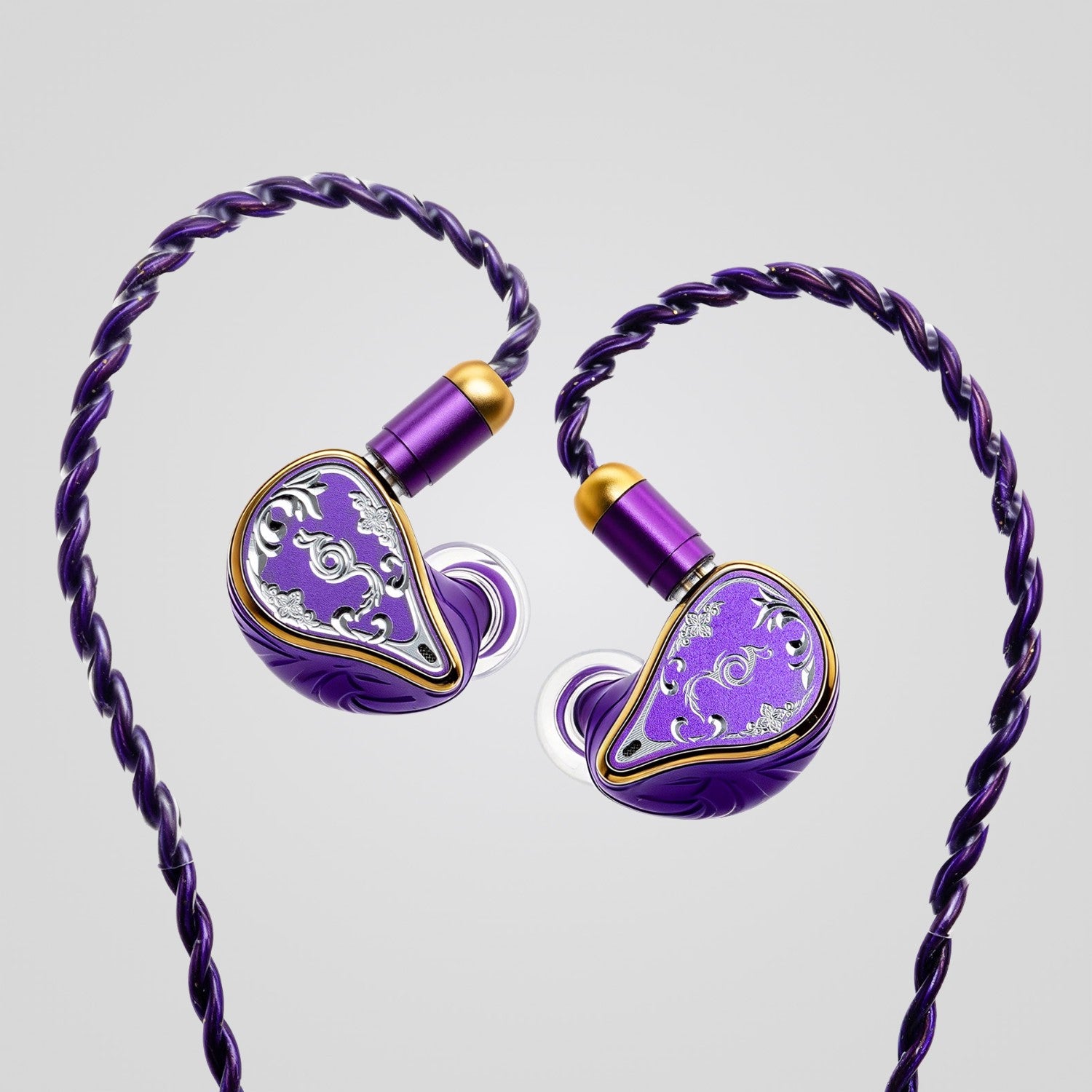
The EPZ 550's best features are is its warm-neutral mids that, to my ear, came with a slight textural push in the 2–3 kHz range that gave vocals a nice sense of presence, articulation, and intelligibility, and a bass response that was very well controlled and nicely balanced with the midrange.
However, the treble is the Achilles Heel here, contributing too much sizzle and grit scattered throughout, specifically around the 6.5 kHz, 9.5 kHz, and 12 kHz regions for me. That high-frequency rockiness detracted from an otherwise decent tuning elsewhere and made this one not as enjoyable for me as I was hoping.
B&K (Bryce & Kimmel) Osmanthus
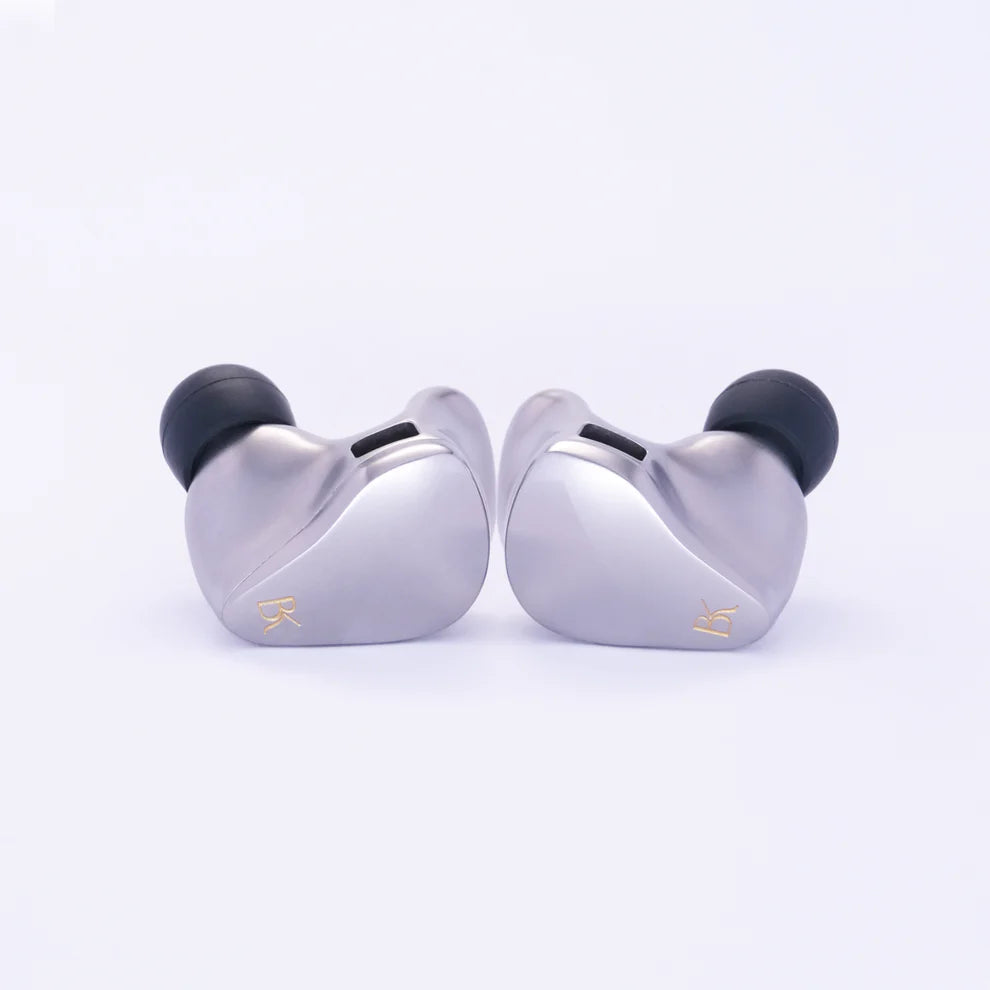
The Osmanthus has a slightly-too-plump bass response for my taste, a notably forward (but well-enough balanced by the bass) 1–2 kHz region, and a bit of grain around 5 kHz, punctuated by a slightly grainy 13–14 kHz elevation.
Ultimately with this sort of approach—since its not actually neutral anywhere in its frequency response—its all a question if the colorations actually balance out for the listener and provide something coherent instead of "confused" sounding.
For me, it was more confused than coherent, unfortunately. I didn't find any of the coloration here to have what was perhaps the intended effect of providing an enjoyably vivid or expressive presentation, instead I just felt there were a lot of colorations I wish were dialed back.
Ergonomically, the shell fit is quite good, though the shell was noticeably heavy and the acoustic design seems either fully-unvented or under-vented for my taste. That lack of venting led to uncomfortable pressure build-up over my brief listening session that meant even though the shell's molding was quite good, I never got comfortable with it.
The Disappointment
Brise Ibuki

The Brise Ibuki packed what sounded like crazy amounts of mid-bass with sharp, fatiguing upper treble that were both constantly fighting for dominance over the presentation, with neither winning decisively outright and leaving me confused what this IEM was really trying to do. Most times, the bass ended up dominating slightly and I was left overwhelmed, constantly pummeled by indistinct, sloppy sounding bass, with a few moments of shrieking air peppered throughout.
Ibuki was clearly tuned to impress people looking for an explosive presentation of their music, not tuned for those who want to hear their music presented naturally, but even for that kind of listener I can't help but feel like there may be better IEMs out there, maybe even ones at lower prices. But I suppose if the listener really wants hyperfocus on bass under 200 Hz, Ibuki does exist for that listener... but they'll have to pay a lot to get it.
Conclusion

While this show felt meaningfully more "IEM-focused" in terms of what was actually available at first—Elise Audio's booth was basically half the show in terms of things that were actually worth checking out—I actually think the highlights of this show were the over-ear headphone offerings.
The Hongshu EH-1, if it ends up being well-built enough to actually last, might end up being my next headphone purchase since I have been looking for an electrostatic headphone to use as an EQ platform/replicator headphone for listener preference testing, and it's honestly quite comfy on my head.
The Flowztone F-R1... not mincing words, this may just be the most solid all-around headphone I've ever heard. This is what expensive headphones ought to sound and feel like. Hell, it's what I wish the Sennheiser HE-1 sounded like, and it does so at a massively reduced cost relative to both the HE-1 and other headphones like this that use the esoteric "ribbon" driver scheme or are sold as "systems" with included amplifiers. I cannot wait to hear this thing at home, and again, I am genuinely frustrated that I can't afford it. Not often I say that.
For those like me who have been to a few of the US shows but never ventured outside of the country for any of the other CanJams, if you're an IEM enthusiast in particular, I highly recommend either checking out London's CanJam, or checking out Elise Audio itself if you ever happen to be in the greater London area. Lots to explore in the IEM sphere that isn't quite as available to us in the US market.
As always, the most fun part of the show was hanging out with friends—especially those I'd not had a chance to meet in person yet due to this being my first London CanJam—and spending more time with Cameron was particularly fun for me this time around. So here's to you London: I hope to be back soon!

